Wayfinding signs are essential tools that help people navigate unfamiliar spaces with ease. Whether in hospitals, schools, airports, malls, office buildings, warehouses or public facilities, wayfinding signage provides clear direction, reduces confusion and enhances the overall visitor experience. Well-designed wayfinding signs do more than point people in the right direction — they communicate safety, organization and professionalism in every environment. 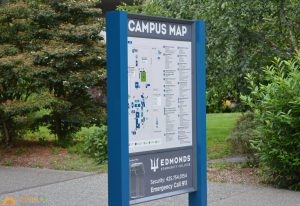
One of the key strengths of wayfinding signage is its ability to simplify complex spaces. Large buildings and multi-level facilities can be overwhelming without clear direction. Signs such as “Reception,” “Restrooms,” “Exit,” “Elevator,” “Aisle 5,” “Check-In,” and “Meeting Rooms” help guide visitors intuitively from one point to another. When people feel confident navigating a space, it reduces stress and ensures a smoother, more enjoyable experience.
Wayfinding signs also play a critical role in accessibility. They help people with mobility limitations, visual impairments or cognitive challenges move safely and independently. Clear typography, high contrast colours and strategically placed signage ensure everyone — regardless of ability — can navigate the space comfortably. Wayfinding systems that meet accessibility standards not only support inclusivity but also reflect a business’s commitment to customer care.
Consistency is another hallmark of effective wayfinding systems. When signage shares the same colour palette, fonts, icons and style, it creates a unified visual language that is easy to understand. This level of consistency reinforces brand identity while making navigation seamless. In large institutions such as universities or corporate campuses, cohesive wayfinding signage becomes an extension of the brand itself.
Wayfinding signs also improve safety. Emergency exits, evacuation routes, restricted areas and hazard warnings must be clearly identified to protect occupants during unexpected situations. Proper signage ensures people can react quickly and safely — which is why regulatory compliance is essential, especially in public and commercial spaces.
Durability is another important factor. Wayfinding signs must withstand daily wear, foot traffic, cleaning chemicals and environmental changes. Materials such as aluminum, acrylic, PVC, vinyl and reflective substrates ensure longevity both indoors and outdoors. Investing in durable signage reduces long-term costs and preserves the professional look of the entire system.
While wayfinding signs are highly functional, their effectiveness depends heavily on the expertise of the sign maker. Designing a complete wayfinding system requires skill, planning and precision.
Experienced Illinois sign maker understands how people move through spaces and how to build signage that aligns with natural flow and visibility. They consider sightlines, placement height, lighting, colour contrast and local building codes to ensure signs are readable and compliant. Their experience prevents common issues such as confusing layouts, poor visibility or inconsistent design — problems that can frustrate visitors and undermine the facility’s credibility.
Fabrication expertise also matters. A skilled sign maker ensures that each sign is produced with accurate colours, sharp graphics and durable materials. They know how to choose substrates that withstand environmental conditions and how to apply finishes that keep signs looking clean and polished. For more information you can visit us at Illinois best signages!
Installation is equally important. Wayfinding signs must be mounted correctly, at the right height and angle for optimal readability. A professional ensures signs are level, secure and positioned exactly where people expect to find them.
Wayfinding signs are more than navigational tools — they shape how people experience a space. And when designed and installed by a knowledgeable sign maker, they become powerful communication assets that improve safety, clarity and customer satisfaction.